

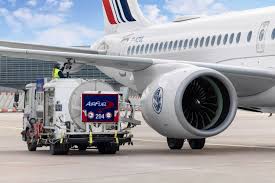
Airlines under pressure after jet fuel surges 100%
The global aviation industry is currently facing what many experts call its most severe crisis since the COVID-19 pandemic. A massive surge in jet fuel prices—approaching a 100% increase in some regions over the last month—has put airlines under immense financial and operational pressure.
The spike is primarily driven by the escalating conflict in the Middle East following U.S.-Israeli strikes on Iran in late February, which disrupted global energy markets and forced Brent crude to peak near $120 per barrel.
The Global Impact: Rising Costs and Fares
According to the latest IATA (International Air Transport Association) monitor, average jet fuel prices reached $175 per barrel in mid-March, a year-on-year increase of roughly 94%.
Fare Hikes: Major carriers including Air France-KLM, Cathay Pacific, Qantas, and Air India have already introduced fuel surcharges or direct fare increases. Some long-haul tickets have seen additions of up to $150 per segment.
Operational Strain: Airlines are not just dealing with fuel costs; the closure of Iranian and surrounding airspace has forced massive rerouting, increasing flight times and further bloating fuel consumption.
Flight Cancellations: Scandinavian airline SAS announced the cancellation of over 1,000 flights for April 2026, citing the unsustainable cost of operation.
The Crisis in Nigeria
The situation in Nigeria is particularly acute due to the added pressure of a weak Naira and the recent total reliance on imported or newly refined local fuel.
Price Explosion: Jet A1 (aviation fuel) prices in Nigeria jumped from roughly ₦900 per litre in late February to over ₦2,500–₦2,700 per litre at major airports like Lagos and Abuja this week.
"Bleeding" Airlines: The Airline Operators of Nigeria (AON) reported that fuel now accounts for over 50% of total operating costs (up from the usual 30-40%).
Ticket Prices: Fares for one-way domestic flights (e.g., Lagos–Abuja), which recently averaged ₦150,000, are now trending toward ₦200,000–₦250,000 for last-minute bookings as airlines struggle to stay afloat.
Refinery Intervention: There are growing calls for the federal government to broker a special crude-to-fuel deal with the Dangote Refinery to provide a dedicated, lower-cost supply for domestic carriers.
The industry's recovery remains fragile, with analysts warning that if fuel prices reach the $200/barrel (or ₦3,000/litre locally) mark, many smaller or low-cost carriers may be forced to ground their fleets entirely.