
How to prevent dehydration during harmattan
Harmattan is the season characterized by cold, dry, and dusty winds, occurring from November to February, primarily in West African nations.
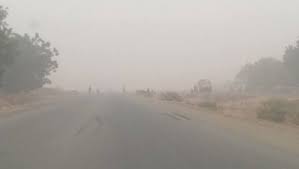
During this period, the atmosphere tends to be hazy or foggy, often resulting in reduced visibility; however, the dry conditions can adversely impact both health and the environment.
Research conducted by health experts indicates that this season is associated with the proliferation of airborne diseases, leading to various health issues such as dehydration, dry lips and skin, sore throat, catarrh, frequent sneezing, and watery, red eyes.
According to the Mayo Clinic, dehydration happens when the body loses more fluids than it consumes, resulting in insufficient water and other fluids necessary for normal bodily functions.
It further states that both children and adults may experience dehydration due to multiple factors, including inadequate water intake during hot and dry conditions.
Health and environmental specialists have urged the public, particularly those residing in the northern regions where harmattan is typically severe, to increase their water consumption and take necessary precautions to safeguard their health and well-being throughout the season.
Dr. Mohammed Yusuf, a family physician at the Modibbo Adama University Teaching Hospital in Maiduguri, Borno State, has noted that dehydration, nasal discomfort, chapped lips, and dry skin are prevalent due to the cold and dusty conditions associated with harmattan.
He recommends enhancing water intake to avert overheating and dehydration.
In addition to the dry winds, he pointed out that the weather can also become hot, which may exacerbate dehydration.
For pregnant women, dehydration poses significant risks, potentially leading to miscarriage or even death.
To mitigate the risk of dehydration, Consultant Obstetric Gynaecologist Dr. Joseph Akinde advises keeping a water bottle readily available.
In a previous interview, Akinde stated, “As much as possible, avoid exposing yourself to excessive heat. If you find yourself in a hot environment, ensure you have water with you so that when you feel thirsty, you can adequately rehydrate.”
The physicians underscored the significance of recognizing the body's need for hydration, pointing out that the arid season tends to desiccate everything it encounters.
To alleviate the consequences of dry conditions, Yusuf recommended the intake of vitamin C, asserting that it has been shown to enhance skin health and moisture retention.
As reported by the health blog Healthline, research indicates that vitamin C improves the skin's barrier function and aids in minimizing water loss, thereby assisting in keeping the skin hydrated and preventing dryness. Additionally, it contributes to brightening uneven skin tones.
The family doctor further suggested steam inhalation during this time. This practice involves inhaling the steam from heated water to relieve and open the nasal passages.
He remarked that inhaling warm, moist air during dry, dusty, or cold conditions helps alleviate nasal discomfort.
Yusuf also mentioned, "Furthermore, if possible, apply Robb or mentholatum to your nostrils to mitigate the adverse effects of dust, which include irritation. You may also encourage children (excluding infants) to participate in this practice."
Related News