
Rising fuel prices
As of March 9, 2026, fuel prices in Nigeria have undergone a series of rapid upward adjustments over the past week. This is primarily driven by escalating geopolitical tensions in the Middle East—specifically involving the US, Israel, and Iran—which have pushed global Brent crude prices toward $90–$95 per barrel.
Since Nigeria operates a deregulated downstream sector, these international shocks are reflecting almost immediately at local pumps.
Current Price Breakdown (March 2026)
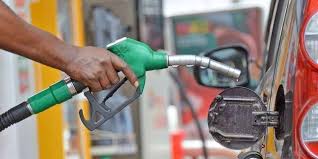
The price of Premium Motor Spirit (PMS) has crossed the ₦1,000 mark at most retail outlets.
Entity / Location New Price (approx. per Litre) Previous Price (early March)
Dangote Refinery (Ex-Gantry) ₦995 ₦774
NNPC Retail (Lagos) ₦1,040 ₦875 – ₦937
NNPC Retail (Abuja) ₦1,080 ₦875 – ₦960
Independent Marketers ₦1,100 – ₦1,250 ₦900 – ₦980
Key Drivers of the Recent Hike
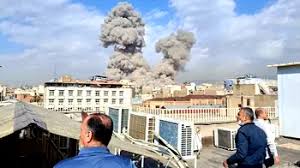
Middle East Crisis: Following reports of the death of Iranian Supreme Leader Ayatollah Khamenei and subsequent military strikes, global oil markets have become highly volatile. Analysts warn Brent crude could hit $120 if the Strait of Hormuz is further disrupted.
Dangote Refinery Adjustments: Despite reaching full production capacity (650,000 bpd) in February, the refinery has raised its ex-depot price twice in one week, from ₦774 to ₦874, and most recently to ₦995. The refinery cited the high cost of crude oil, noting they still pay international market rates even for domestic supply.
Crude Supply Gap: The refinery reported receiving only about 5 of the 13 required monthly crude cargoes from NNPC under the "Naira-for-Crude" deal, forcing them to import the rest using foreign exchange.
Deregulated Market: The NMDPRA has clarified that these fluctuations are strictly due to market forces and "replacement costs" rather than regulatory changes.
Supply and Scarcity Status
Availability: While prices are high, major fuel queues have not yet returned to the "crisis" levels seen in previous years, as the Dangote Refinery continues to prioritize the domestic market to insulate Nigeria from global supply shortages.
Cooking Gas (LPG): Prices have also surged, now reaching approximately ₦1,400 per kg in major cities like Lagos, up from ₦1,000 just last week.
Note: Financial experts at JPMorgan and local analysts warn that if the Middle East conflict persists beyond March, retail petrol prices in Nigeria could potentially climb toward ₦1,400 or ₦1,500 per litre as marketers struggle with higher restocking costs.